新近传记
The Fifteenth Je Khenpo, Kunzang Gyeltsen
b.1729 - d.1786
BDRC P547
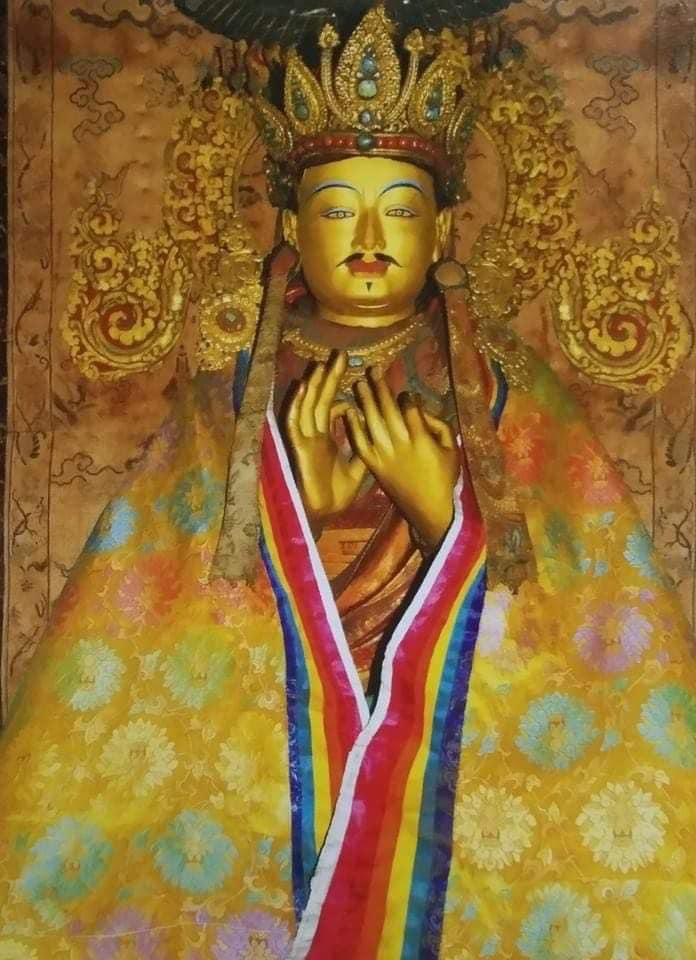
Kunzang Gyeltsen was the Fifteenth Je Khenpo of Bhutan. A student of previous men who held the position, he is known for his verse biography of Zhabdrung Ngawang Namgyel.
Pamo Zombum Pelshi was a daughter of the Tselpa family. She married Kuzhang Drakpa Gyeltsen, the head of the Kuzhang family who rebuilt Zhalu Monastery and invited Buton Rinchen Drub to take the monastic throne in 1321.

Jomo Pema
b.1335 - d.1359
Jomo Pema was a member of the Kuzhang family that controlled Zhalu Monastery. She married Nangchen Pakpa Pel of Gyantse and together they had a son named Kunga Pakpa who became head of Pelkhor Chode.
Ponmo Pelden
14th cent.
Ponmo Pelden was a daughter of Kuzhang Drakpa Gyeltsen and his wife Pamo Dzombum Pelshi, leaders of the family that controlled Zhalu Monastery in the fourteenth century. Her husband was Tselpa Kunga Dorje of the Tselpa family who controlled Tsel Gungtang. She is likely the Kuzhang daughter who had an affair with Dratsepa Rinchen Namgyel for which she is demonized in available sources.
Jowo Khyedren Pel was a member of the Kuzhang family that controlled Zhalu Monastery. Like many women in her family, she joined the Sakya family through marriage. She married her first cousin Jamyang Donyo Gyeltsen, who served as the Thirteenth Sakya Trizin. Together they had two sons, including Lachen Kunga Gyeltsen.