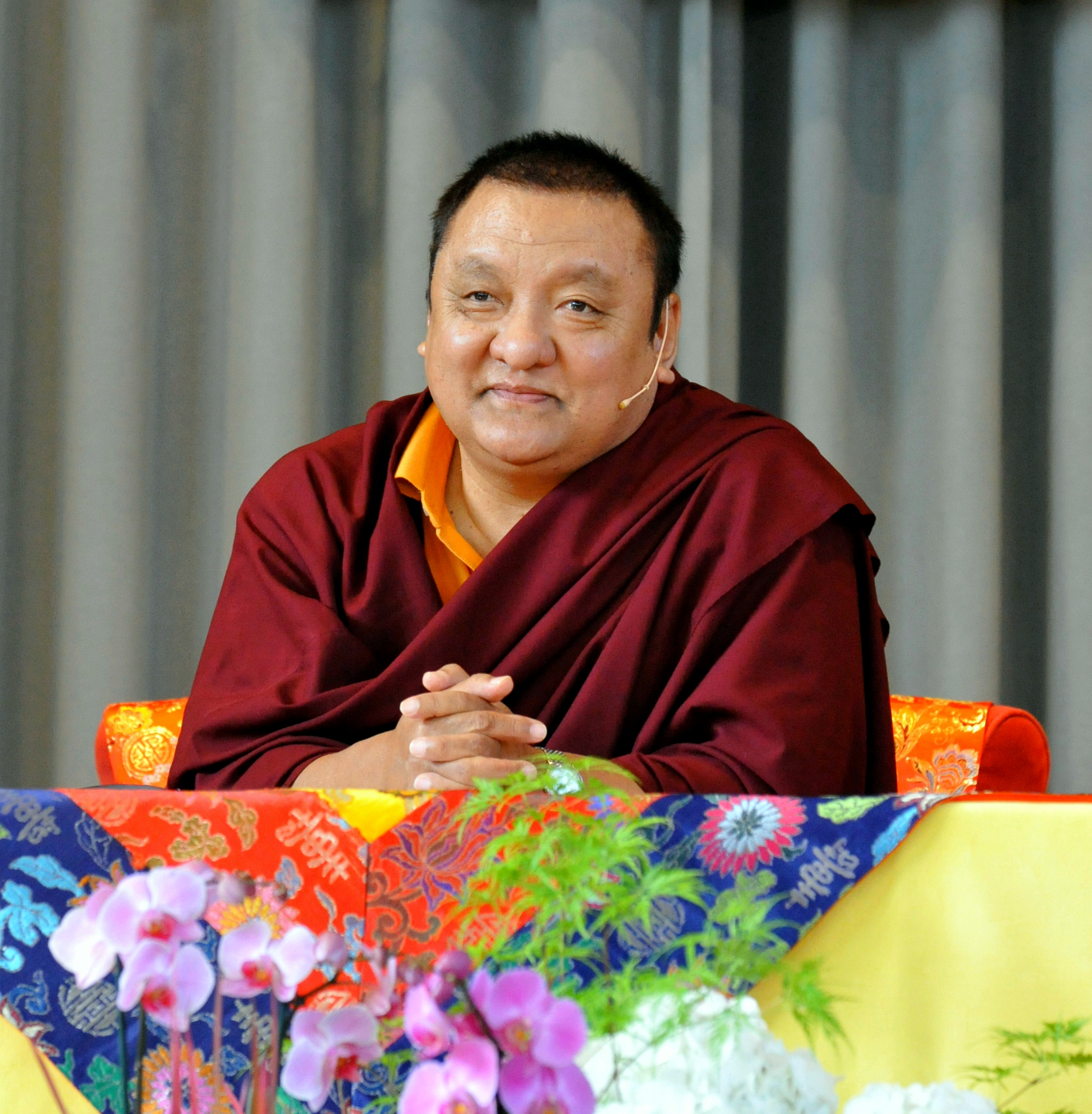
The Zhamarpas, the "red hat" lamas, are one of the main reincarnate lines of the Karma Kagyu order and one of the oldest tulku line of Tibetan Buddhism. The First Zhamarpa, Drakpa Sengge was a close disciple of the Third Karmapa, Rangjung Dorje, who gave him a red version of his own famous black hat. When the Tenth Zhamarpa was found guilty of plotting with the Gorkha army that invaded Tibet and sacked Tashilhunpo Monastery in 1791, the government confiscated the seat at Yangpachen and turned it into a Geluk monastery, and banned further Zhamar incarnations. In 1963, at the request of the Sixteenth Karmapa, the Central Tibetan Administration lifted the ban, after which he identified his nephew, Mipam Chokyi Lodro, as the Fourteenth Zhamarpa.
Biographies
Tashi Drakpa
b.1200 - d.1282

The First Zhamarpa, Drakpa Sengge
b.1283 - d.1349
The First Zhamarpa, Drakpa Sengge was a close disciple of the Third Karmapa, Rangjung Dorje, who gave him a red version of his own famous black hat. Drakpa Sengge studied for a number of years at the Kadam monastery of Sangpu, mastering the Indian Buddhist classics, but he received his monastic ordination from Kagyu lamas at various Kagyu monasteries, including Dechen Teng, receiving initiations into the Kagyu tantric traditions. He spent much of his life in retreat, largely at hermitages associated with Milarepa, as well as at Nenang Monastery, which he founded in 1333 near the Karmapa's seat of Tsurpu.
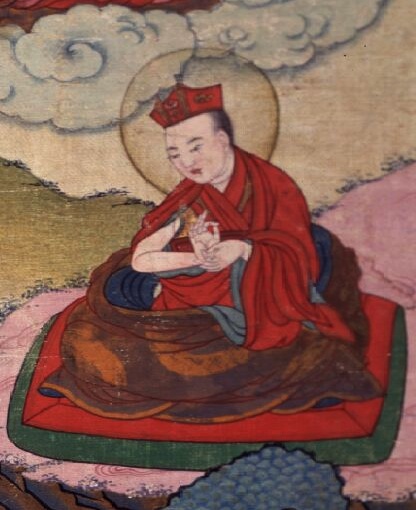
The Second Zhamarpa, Kacho Wangpo
b.1350 - d.1405
Kacho Wangpo was the second Zhamar, or Red Hat Master, in the Karma Kagyu tradition. He assumed leadership of the lineage after the passing of his root guru, the Fourth Karmapa, Rolpai Dorje, which he passed on to the Fifth Karmapa, Dezhin Shekpa.
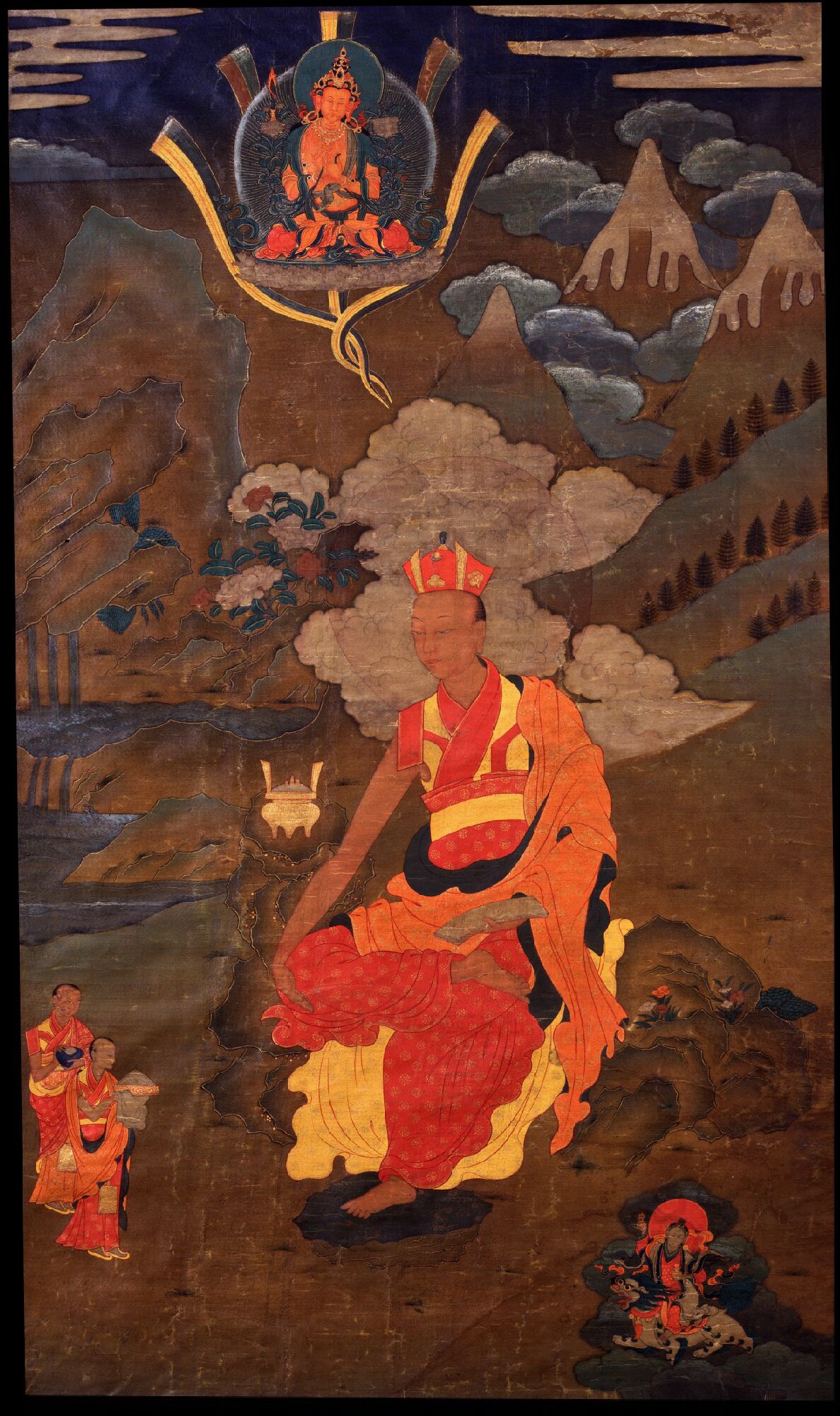
The Third Zhamar, chos dpal ye shes
b.1406 - d.1452
The Fourth Zhamar, Chodrak Yeshe
b.1453 - d.1524
The Fourth Zhamar, Chodrak Yeshe, was one of the most influential religious and political figures of the late fifteenth and early sixteenth centuries. At a time of intense political instability, he brokered peace between the Pakmodru, Rinpung, and Geluk factions of central Tibet, established Yangpachen Monastery, and preserved the heritage of the Karma Kagyu tradition.
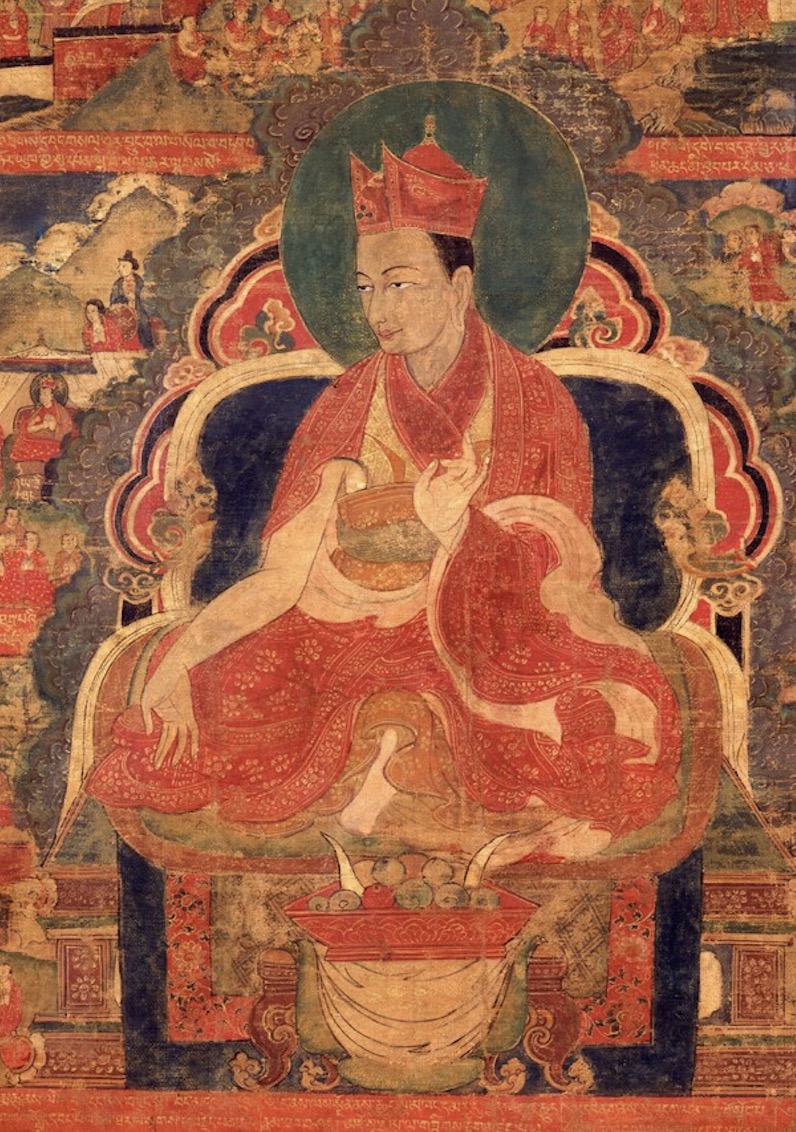
The Fifth Zhamarpa, Konchok Yenlag
b.1525 - d.1583
The Sixth Zhamarpa, Chokyi Wangchuk
b.1584 - d.1630
The Seventh Zhamarpa, Yeshe Nyingpo
b.1631 - d.1694
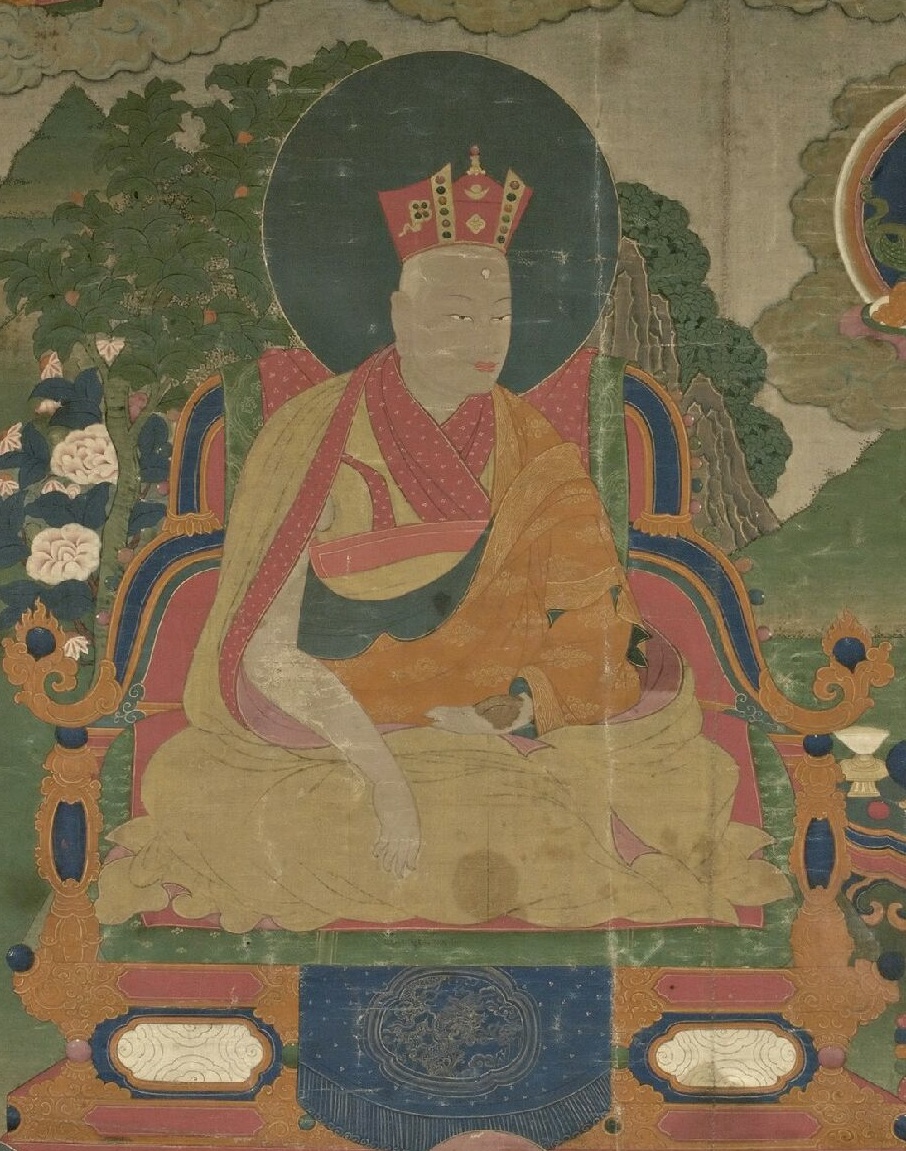
The Eighth Zhamarpa, Pelchen Chokyi Dondrub
b.1695 - d.1732
The Ninth Zhamar, Konchok Gewai Jungne
b.1733 - d.1740
The Twelfth Zhamar, 'jam dbyangs rin po che
b.1892 - d.1946
The Thirteenth Shamar, Trinle Kunkyab
b.1848 - d.1950
The Fourteenth Shamar, Mipam Chokyi Lodro
b.1952 - d.2014